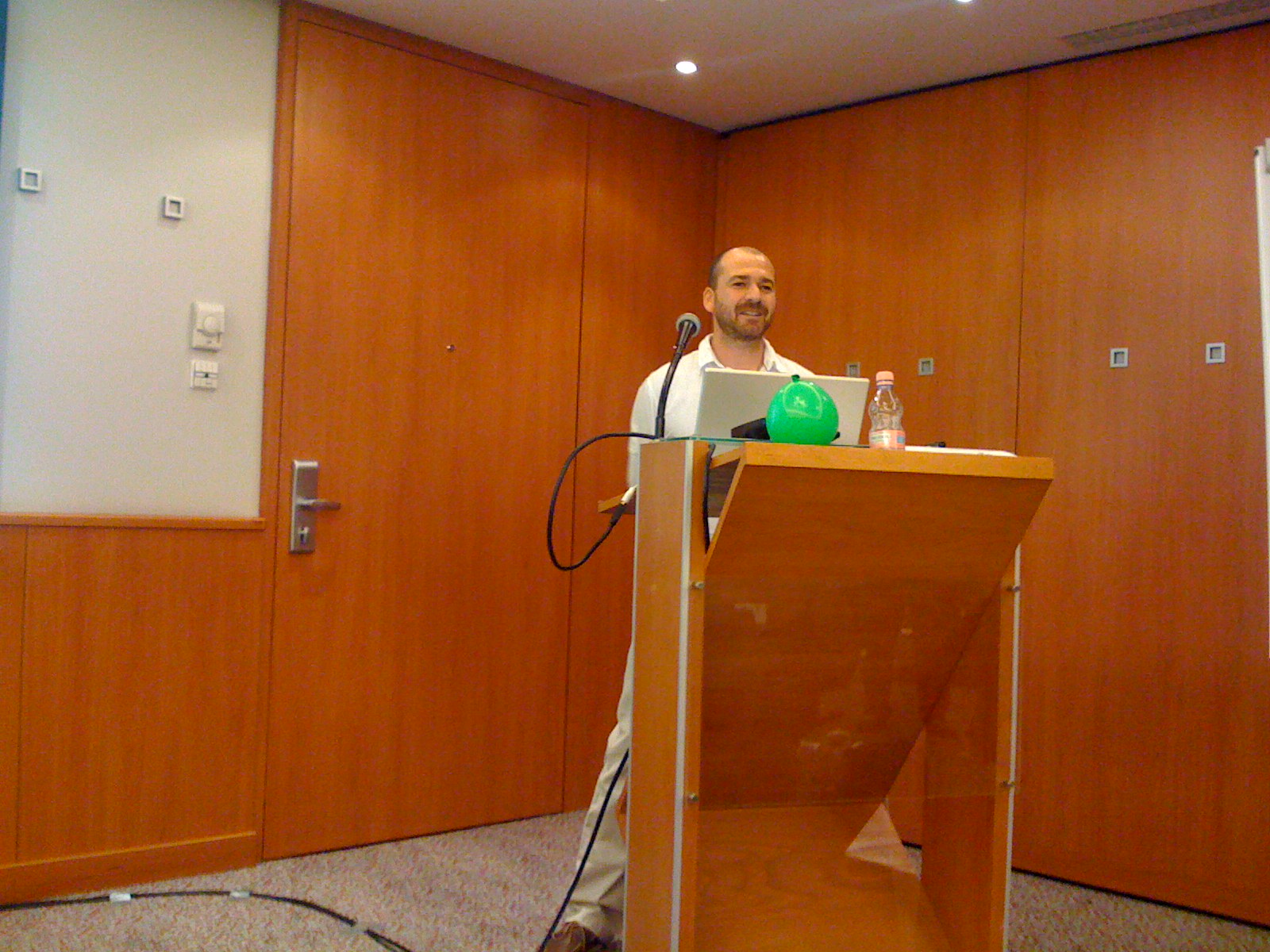
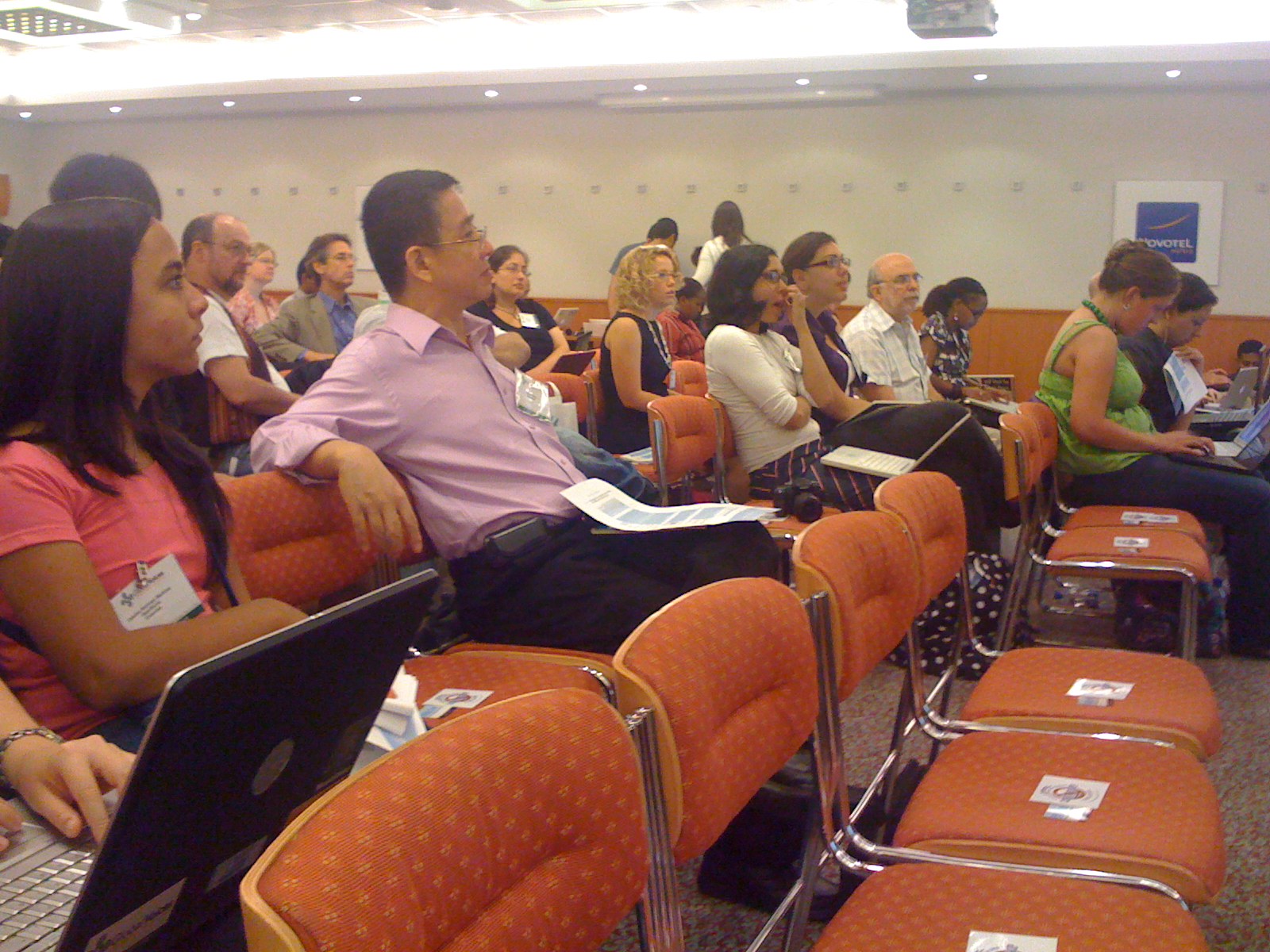
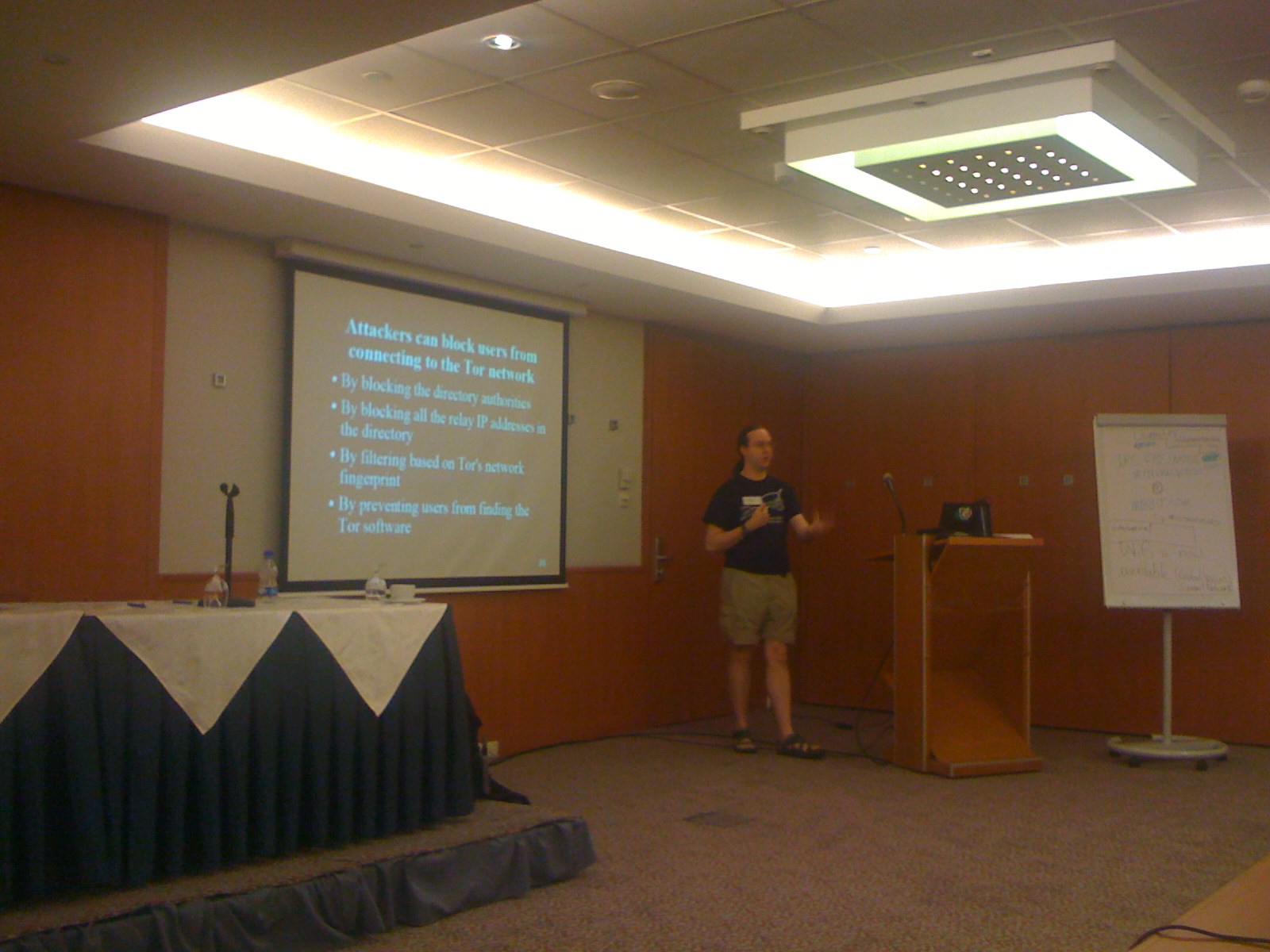
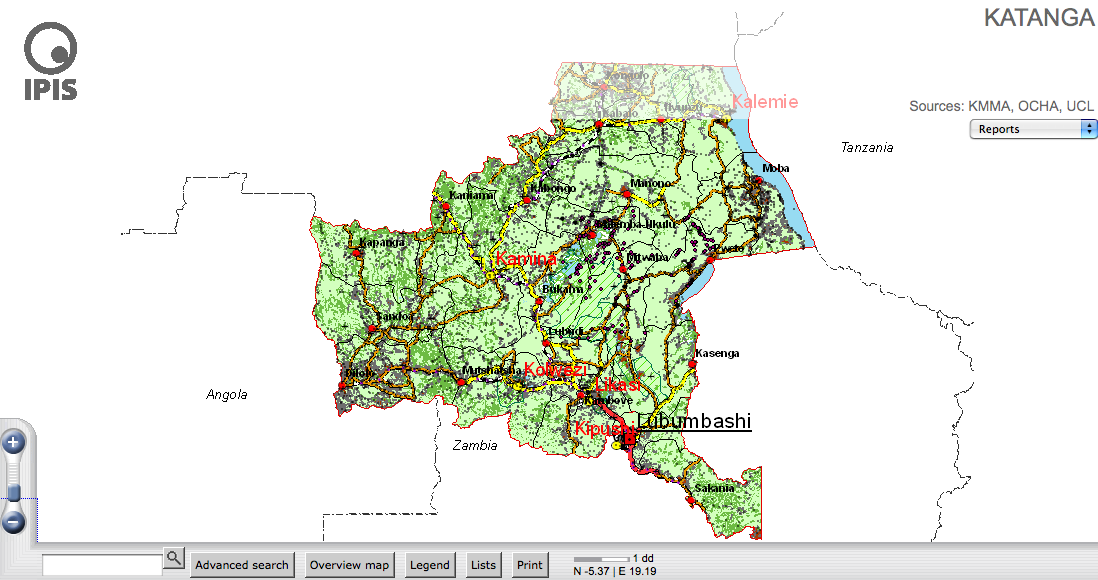
The first panel of the summit included presentations by activists in Belarus, Japan, Egypt and Pakistan.
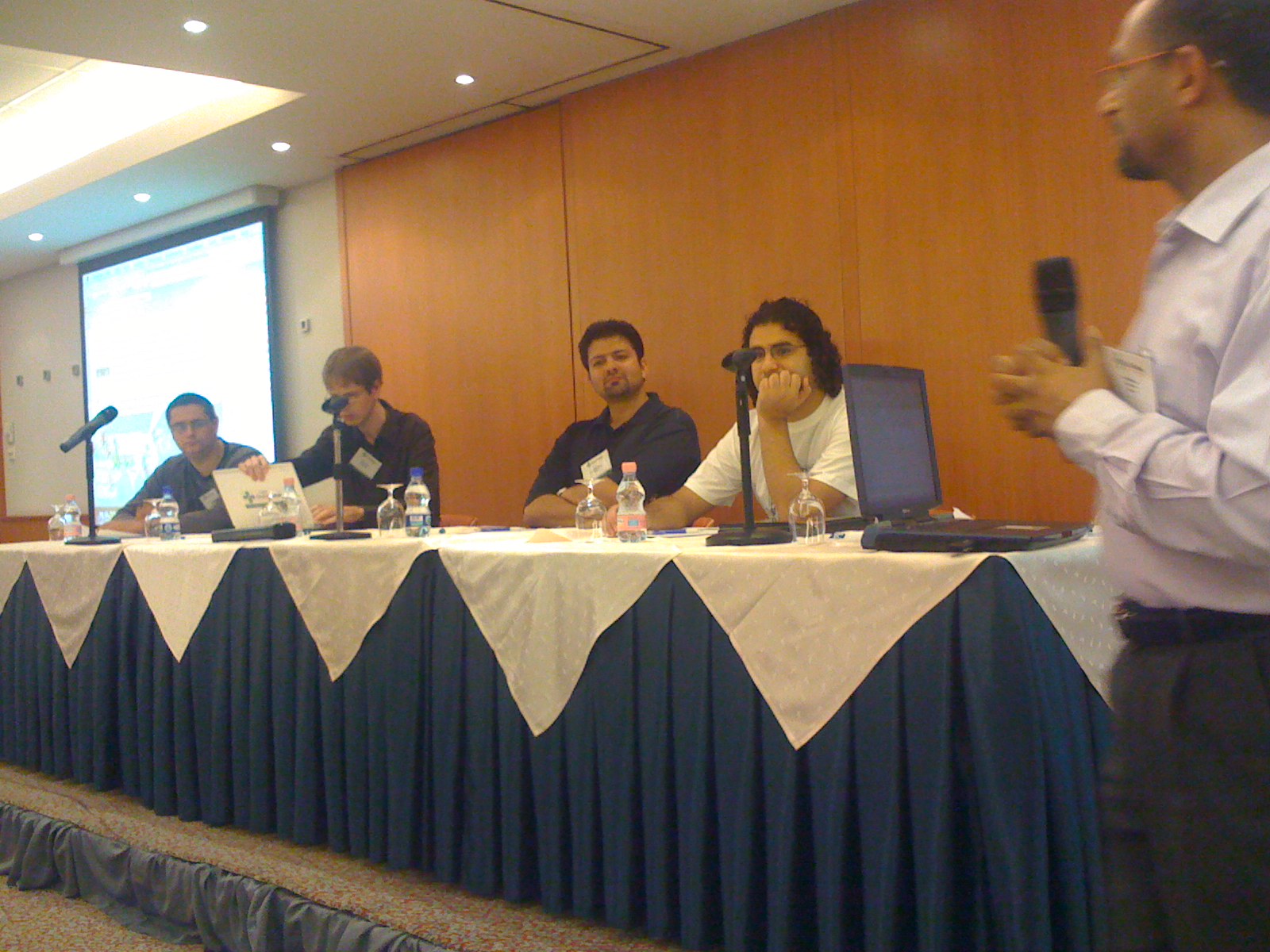
Some of the main points I took away from the panel discussion:
- Censorship is not good for business;
- The key in anti-censorship tools is simplicity, ease of use;
- Blogs not frequently blocked in Egypt, but torture used to induce self-censorship;
- The stakes for governments are too high to allow for a free Internet in Egypt;
- Digital activism cannot be separated from the main struggle for democracy;
- Are bloggers above the law? Should we always support them?
- Mobile phone content (lifestyle, religion, political issues) is already being filtered in Japan;
- Bill passed into law in Japan to oblige pre-installaltion national standard-based filtering software;
- Companies in Japan pushing against censorship since some games being blocked;
- Some argue Japan will be left behind if censorship spreads;
- Japanese not concerned about government, but rather other citizens who engage in troubling activities on the net;
- Pkblogs.com is a site that allows you to access blogs on blogspot if they are blocked by India, Pakistan, Iran and China;
- Vid.pk is a local alternative to YouTube in Pakistan;
- SMS activism and Twitter used in Pakistan; but what they really needed was an SMS forwarding and broadcasting service;
- In Pakistan, Blog via Frontline SMS, but Frontline was complicated to set up; international SMS migth be more expensive but would be easier;
- pkLongMarch.blogspot.com is an event based live SMS / Email blogging site;
- In Pakistan, to really reach the people one must tap mobile content and SMS.