Category Archives: Crisis Mapping

Crisis Mappers Meeting

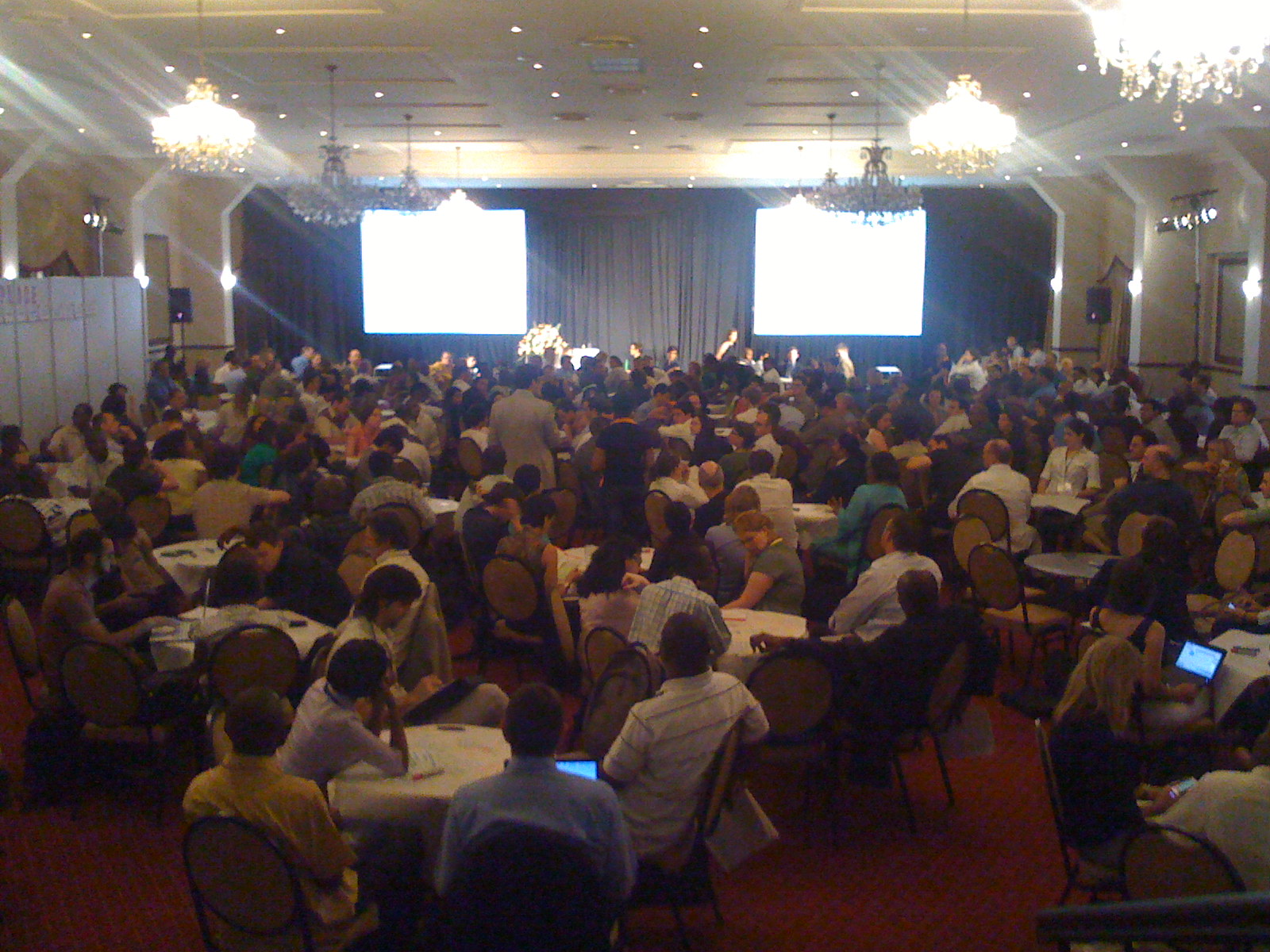
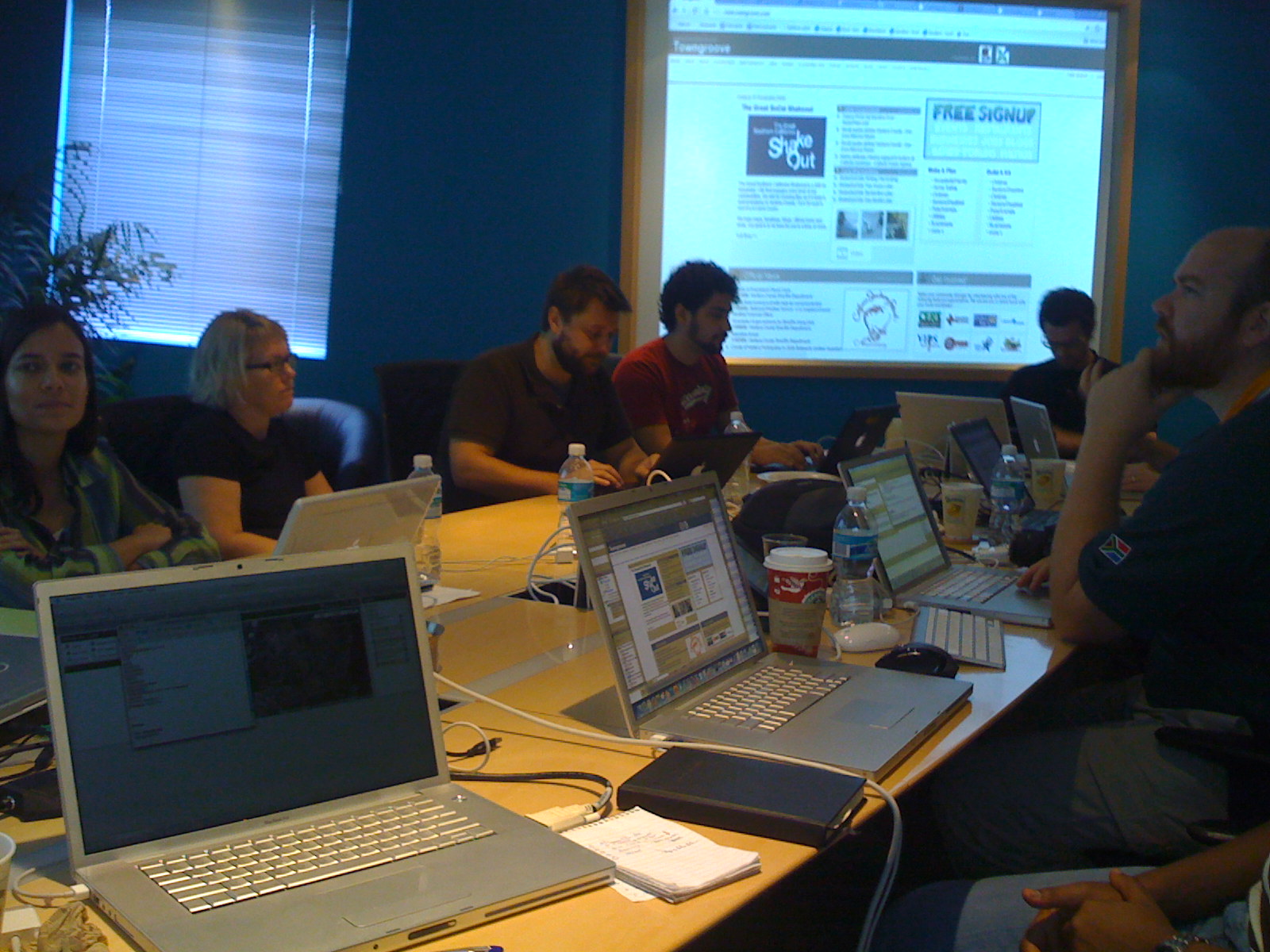
Our first CrisisMappers meeting took place in Orlando, Florida this past weekend. The meeting brought together a small group of tech professionals who are at the very cutting edge of crisis mapping. It truly was a powerhouse. Ushahidi, Development Seed, NiJEL, Emergencity, GeoCommons, InSTEDD, In.itiative and the Harvard Humanitarian Initiative (HHI). This meeting was mostly self-funded and scheduled on a Saturday. The fact that everyone showed up is a clear testament to the commitment we all have to pushing the new field of crisis mapping forward to the next frontier.
img_0001

Andrew Turner gave a typical tour de force presentation on some of the most exciting tech-innovations in mapping. I highly recommend viewing his slide show presentations available on Slideshare here. I gave the second introductory talk and chose to highlight two major themes in the future of crisis mapping: Mobile Crisis Mapping (MCM) and Crisis Mapping Analytics (CMA).

The former focuses on our understanding of dynamic mapping platforms as communication tools. In other words, all our communication tools should be fully integrated within our dynamic mapping platforms. Imagine a Google Map interface from which I can receive geo-referenced text messages and forward those messages by SMS broadcast or email right back to the field, without ever having to navigate away from the map. InSTEDD’s GeoChat is a good example of what I have in mind.

Understanding mapping platforms as communication tools poses two challenges common to communication in crisis zones. The first is connectivity while the second is data security. In terms of connectivity, we urgently need to move towards meshed-networked peer-to-peer communication that obviates the need for cell phone towers. As for encryption, SMS encryption should be the default setting on all our communications. Anything less is simply unsatisfactory.

I’ve written about Crisis Mapping Analytics before, so won’t go into detail here. I just want to point out that as our crisis mapping platforms continue to crowdsource data, we will need to make sense of this information in terms of trends over both space and time. We are still far from having any user friendly  point-and-click statistical tools for identifying such trends.

Since I was the only token humanitarian-wanna-be-geek at the meeting, I closed my introductory talk with the following three reminders: (1) if our crisis mapping tools work in humanitarian crises, they’ll work anywhere; (2) we need to identify methods and metrics to evaluate the impact of our crisis mapping platforms; (3) if you don’t keep your crisis mappers as simple as Fisher Price, they are unlikely to be adopted by the humanitarian community; call it the Fisher Price Theory of Crisis Mapping.

Let me expand on the latter point. What our colleagues in the tech-world need to keep in mind is that the vast majority of our partners in the field have never taken a computer science or software engineering course. Most of my humanitarian colleagues have done a Master’s degree in Humanitarian Affairs, International Development, etc. I guarantee you that 99.9% of these graduate programs do not include any seminar on humanitarian information management systems let alone computer science.

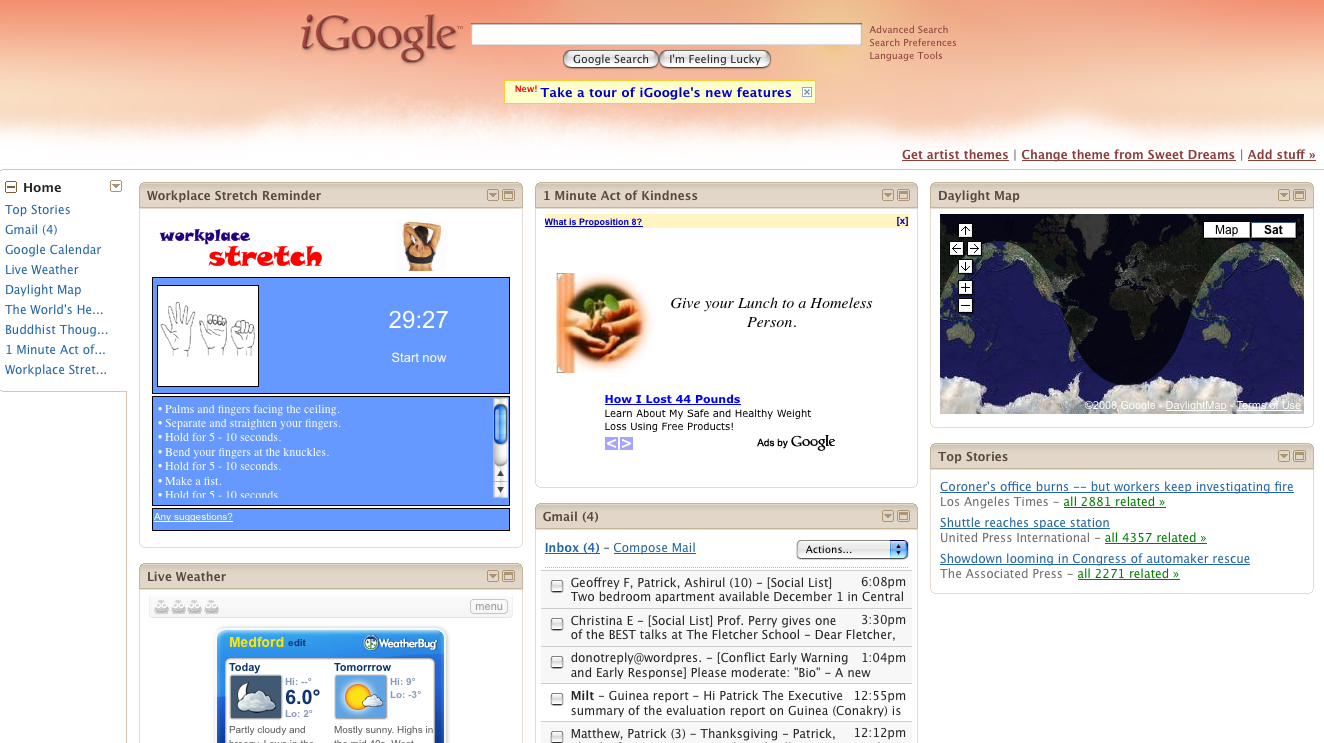
The onus thus falls on the techies to produce the most simple, self-explanatory, intuitive interfaces. What we in the humanitarian field want are interfaces as simple as computer games. We want software packages that are simply plug-and-play. Say an iGoogle approach which allows us humanitarians to import various “widgets” such as 2-way SMS broadcasting, wiki-mapping, etc.
picture-13

The rest of the CrisisMappers meeting was dedicated to a series of thought-provoking presentations on individual crisis mapping projects that each organization is working on. I shan’t attempt a summary here but shall close with the following. I had the good fortune of sitting next to Ushahidi’s David Kobia during the meeting. At one point, he turns to me and motions to his laptop screen: “Look, just got a text message from someone in the DRC.”

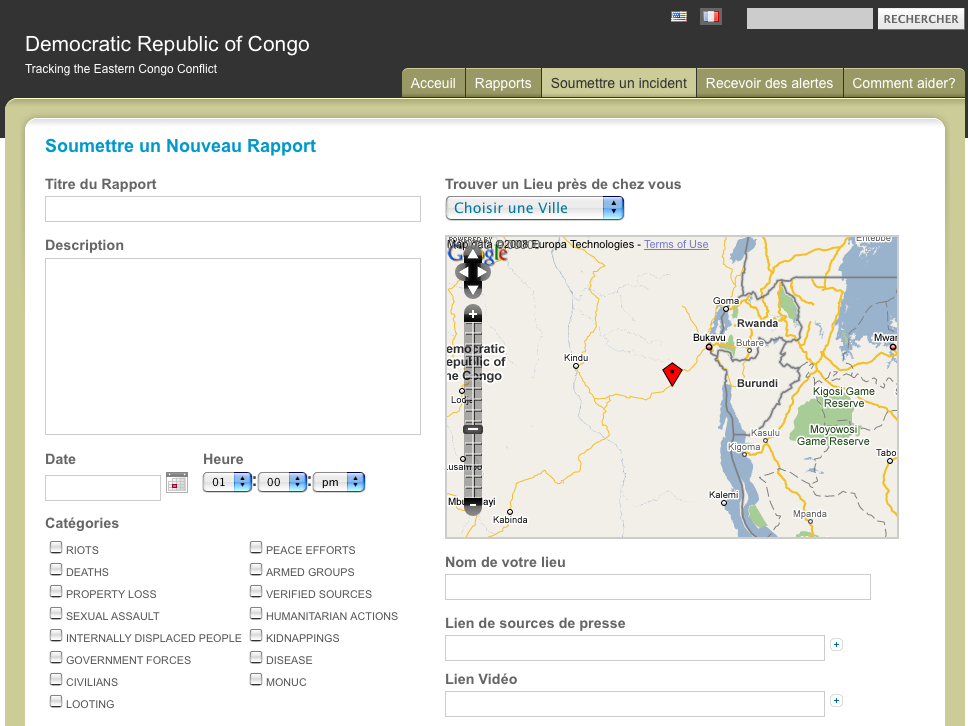
David was pointing to Ushahidi’s admin interface, and indeed, someone on the ground had gotten wind of Ushahidi’s new deployment and had texted the dedicated Ushahidi DRC number. The texter was expressing her/his concern that the DRC site was in English which posed problems for French speakers. The text message itself was in French. The Ushahidi team has been working diligently on a French version of the interface and are nearly finished. David asked me if I might be able to reply (in French) to the person and let them know that the completed interface will be ready next week. I did so, and pointed the texter to the “French Flag” icon on the Ushahidi DRC interface.
picture-32

Here’s what I find particularly neat about this exchange. First, here we were sitting in a conference room in Florida on a Saturday afternoon getting a text message from someone in the DRC interested in reporting events using Ushahidi’s DRC platform. Second, the admin interface that David had up set up was simple and clear to understand. Third, David had included two optional buttons to send one-click replies to the text messages he receives: (1) please send us more information on the event; (2) please send us more information on the location event. Simple yet elegant. After I finished typing my reply to the sender of the text message, I clicked on send and off went my message, right back to the field. All this took place in less than five minutes.

Patrick Philippe Meier

Global Incident Map

A colleague of mine recently flagged this automated, quasi real-time crisis map: Global Incident Map. The map displays the latest 25 terror-related incidents using customized icons. These include markers for suspicious devices, bus hijackings, airport incidents, etc. Clicking on the icon provides a link to local news report(s) concerning the event. The service is subscription based so I wasn’t able to tinker around as much as I would have liked.

picture-22

Compare this with other automated crisis maps such as the Global Disaster Alert and Coordination System (GDACS), Havaria and HealthMap.

Patrick Philippe Meier

CrisisWire Goes Live

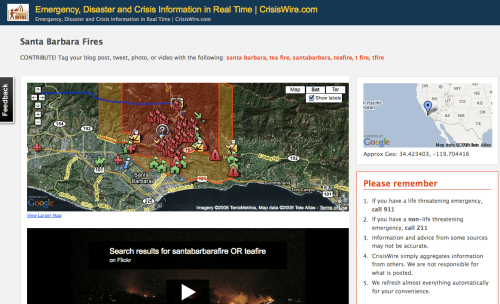
CrisisWire is a “self-aggregating website that pulls information on any disaster around the US and displays it on one page.” The project seeks to get information into the hands of the people that need it most.

picture-12

From Nate Ritter:

During a disaster people spend valuable time searching the internet and waiting for the media to report on their city, their neighborhood, their street.  While main stream media serves a vital role during disasters, it is impossible to update the population on everything that is happening during a crisis.  There usually isn’t enough time or resources.  CrisisWire not only uses the traditional media outlets’ valuable information but will also utilize citizen journalist and google maps to track the disaster. YouTube.com (videos), Flickr.com (photos) and a whole host of other types of published media will also soon be integrated.

Future iterations of CrisisWire will include text messages to reach disaster-affected communities who have lost their electricity, Internet access, or who have been displaced from their home. The developers of CrisisWire hope that the platform will “change the way people respond and learn about disasters.” The team  just set up a page on the fires in Santa Barabara, which will be a good “on-site” test for CrisisWire. At the moment, only one contributor appears to be populating the dynamic map.

As always, my interest in such platforms (including Ushahidi, Humanitarian SensorWeb, etc)., is their:

  1. Viability in conflict zones and places with minimal communications infrastructure;
  2. Link to local, decentralized early response;
  3. Actual impact on the ground.

Patrick Philippe Meier

Links: Obama, Picture Passwords, Mini-UAVs

  • Obama, Internet and Elections: Obama’s victories in the Democratic primaries and the presidential election would not have been possible without Internet-empowered fundraising and social networking.
  • Mini-UAVs used to Collect Health Samples: The National Health Laboratory Services of South Africa is using mini-UAV’s to collect HIV/AIDS and TB samples from remote health posts in the region. Could this be applied to conflict early warning and early response?

Crisis Mapping Kenya’s Election Violence

Are citizen journalists playing an increasingly important role in documenting violent conflict and human rights violations? I posed this question during the 2008 Global Voices Summit and answered affirmatively—but without more than a hunch and rather limited anecdotal evidence. Paul Curion took issue and David Sasaki recommended that someone carry out an empirical study.

I appreciated David’s practical recommendation and decided to pursue the project since the topic overlaps with the Conflict Early Warning and Crisis Mapping project I’ve been working on at the Harvard Humanitarian Initiative (HHI). Supported by Humanity United, the project seeks to explore the changing role and impact of information communication technology in crisis early warning and humanitarian response.

Seeing that I was in Nairobi visiting my parents during the election violence, I chose Kenya as a case study to assess the role of citizen journalists in crisis environments as compared to the mainstream media. My colleagues Kate Brodock, Briana Kramer and I used event-data analysis to code reports of violent and peaceful events as documented by about a dozen citizen journalist bloggers between December 27, 2007 and January 27, 2008.

We did the same for mainstream media, ranging from print media (national newspapers) to radio and television programs. I also included the Ushahidi data because I wanted to carry out a three way comparison between mainstream news media, citizen journalism and a dedicated crowdsourcing platform.

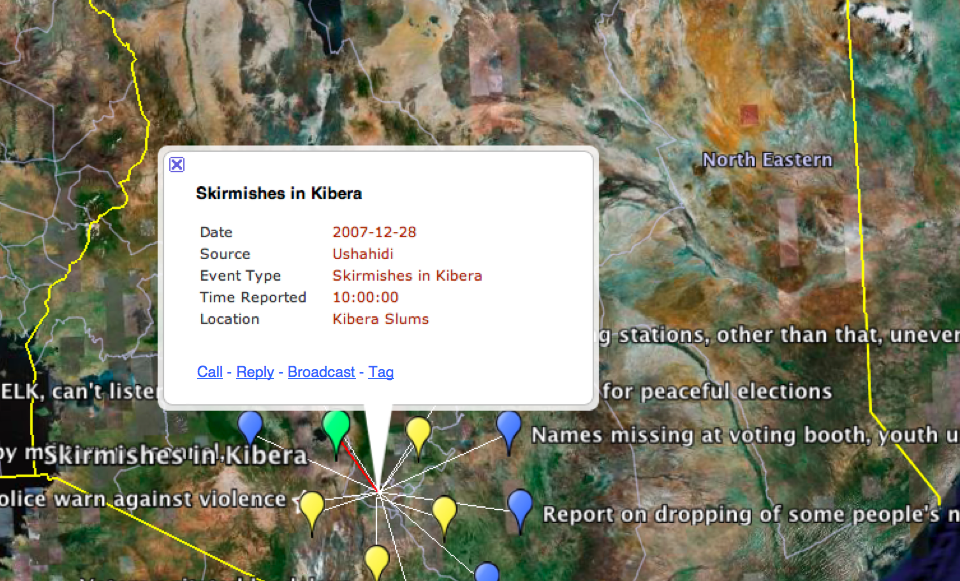
We then created a Google Earth layer to visualize the data over time and space. Below is a YouTube video I created of the animation (for slower Internet connections). Here is the Google Earth layer (KMZ). The data can also be visualized on Google Maps here.

Yellow icon = mainstream news reports; Blue icon = citizen journalism blogs; Green icon = Ushahidi reports.

A dynamic time line is also available below. The interactive time line depicts the number of daily reports produced by mainstream news, citizen journalists and Ushahidi over the 30-day period of study.

Our preliminary findings:

  • Mainstream media reported actual death count before citizen journalists; however, on many accounts, mainstream media did not report on incidents leading to actual deaths, i.e., early warning signs;
  • Citizen journalist reports and Ushahidi reports did not overlap geographically with mainstream media reports;
  • Citizen journalists tended to report as soon as violence started, well before mainstream media;
  • The number of comments on citizen journalist blogs increased during the 30-day period, or during particular periods of violence;
  • The comment section was also used as a medium for real-time updating;
  • Many citizen journalist bloggers used real-time updates sent to them via SMS, primarily from rural areas;
  • Citizen journalism reports declined after the launch of Ushahidi;
  • Ushahidi reports document an important number of violent events not reported by the mainstream media and citizen journalists;
  • Contrary to news media and citizen journalist reports, Ushahidi data always had specific location information;
  • Ushahidi reports also covered a wider geographical area than both mainstream news and citizen journalist bloggers.

For further information on our project’s methodology and sources, please see this short powerpoint presentation (PDF) which we have also uploaded on Slideshare. For more on crisis mapping, please see this page. For additional information on the role of digital technology during Kenya’s post election violence, see this narrative-based analysis (PDF) by my two colleagues Josh Goldstein and Juliana Rotich.

We look forward to receiving as much feedback as possible so we can improve our methodology and analysis in future case studies. We’re especially keen to have others interpret the dynamics displayed in the animation above. In the meantime, please contact me if you’d like to join the team and contribute to our next case study, which will be of Georgia.

To cite this research, please use: Meier, Patrick and Kate Brodock (2008). “Crisis Mapping Kenya’s Election Violence: Comparing Mainstream News, Citizen Journalism and Ushahidi.” (Harvard Humanitarian Initiative, HHI, Harvard University: Boston).
URL: http://irevolution.net/2008/10/23/mapping-kenyas-election-violence

Patrick Philippe Meier

Crisis Mapping Kenya’s Election Violence

Are citizen journalists playing an increasingly important role in documenting violent conflict and human rights violations? I posed this question during the 2008 Global Voices Summit and answered affirmatively—but without more than a hunch and rather limited anecdotal evidence. Paul Curion took issue and David Sasaki recommended that someone carry out an empirical study.

I appreciated David’s practical recommendation and decided to pursue the project since the topic overlaps with the Conflict Early Warning and Crisis Mapping project I’ve been working on at the Harvard Humanitarian Initiative (HHI). Supported by Humanity United, the project seeks to explore the changing role and impact of information communication technology in crisis early warning and humanitarian response.

Seeing that I was in Nairobi visiting my parents during the election violence, I chose Kenya as a case study to assess the role of citizen journalists in crisis environments as compared to the mainstream media. My colleagues Kate Brodock, Briana Kramer and I used event-data analysis to code reports of violent and peaceful events as documented by about a dozen citizen journalist bloggers between December 27, 2007 and January 27, 2008.

We did the same for mainstream media, ranging from print media (national newspapers) to radio and television programs. I also included the Ushahidi data because I wanted to carry out a three way comparison between mainstream news media, citizen journalism and a dedicated crowdsourcing platform.

We then created a Google Earth layer to visualize the data over time and space. Below is a YouTube video I created of the animation (for slower Internet connections). Here is the Google Earth layer (KMZ). The data can also be visualized on Google Maps here.

Yellow icon = mainstream news reports; Blue icon = citizen journalism blogs; Green icon = Ushahidi reports.

A dynamic time line is also available below. The interactive time line depicts the number of daily reports produced by mainstream news, citizen journalists and Ushahidi over the 30-day period of study.

Our preliminary findings:

  • Mainstream media reported actual death count before citizen journalists; however, on many accounts, mainstream media did not report on incidents leading to actual deaths, i.e., early warning signs;
  • Citizen journalist reports and Ushahidi reports did not overlap geographically with mainstream media reports;
  • Citizen journalists tended to report as soon as violence started, well before mainstream media;
  • The number of comments on citizen journalist blogs increased during the 30-day period, or during particular periods of violence;
  • The comment section was also used as a medium for real-time updating;
  • Many citizen journalist bloggers used real-time updates sent to them via SMS, primarily from rural areas;
  • Citizen journalism reports declined after the launch of Ushahidi;
  • Ushahidi reports document an important number of violent events not reported by the mainstream media and citizen journalists;
  • Contrary to news media and citizen journalist reports, Ushahidi data always had specific location information;
  • Ushahidi reports also covered a wider geographical area than both mainstream news and citizen journalist bloggers.

For further information on our project’s methodology and sources, please see this short powerpoint presentation (PDF) which we have also uploaded on Slideshare. For more on crisis mapping, please see this page. For additional information on the role of digital technology during Kenya’s post election violence, see this narrative-based analysis (PDF) by my two colleagues Josh Goldstein and Juliana Rotich.

We look forward to receiving as much feedback as possible so we can improve our methodology and analysis in future case studies. We’re especially keen to have others interpret the dynamics displayed in the animation above. In the meantime, please contact me if you’d like to join the team and contribute to our next case study, which will be of Georgia.

To cite this research, please use: Meier, Patrick and Kate Brodock (2008). “Crisis Mapping Kenya’s Election Violence: Comparing Mainstream News, Citizen Journalism and Ushahidi.” (Harvard Humanitarian Initiative, HHI, Harvard University: Boston). URL: https://irevolution.wordpress.com/2008/10/23/mapping-kenyas-election-violence

Patrick Philippe Meier

Tactical Tech: Maps for Advocacy

Tactical Tech recently released it’s Maps for Advocacy guide, which is a must-read for those new to the field of crisis mapping. The guide is an excellent collection of user scenarios and mini case studies that span a diverse range of fields and technologies.

My main concern with Tactical Tech’s research on mapping for advocacy has to do with impact evaluation, or lack thereof. It’s one thing to describe a crisis mapping project, the tools involved and purpose, but it’s quite another to evaluate whether the project had any impact, whether it’s replicable and/or why it may not have been effective.

Crisis mapping is a new field with projects proliferating in multiple directions. But there are few feedback loops in place that enable us to learn from any impact these projects may have had. Anecdotal evidence is a start, but hardly sufficient to build a case for crisis mapping and advocacy.

Patrick Philippe Meier

The Past and Future of Crisis Mapping

I’ve written about crisis mapping on this blog and elsewhere so what I want to do here is simply reflect on where we’ve been in the field and on what I’d like to see happening over the coming weeks, months and years. For a “Brief History of Crisis Mapping” click here and for a “Video Primer on Crisis Mapping” please follow this link.

What follows is thus a brief personal account of the field of operational crisis mapping as I have experienced it over the past five years. I also add three (TED) wishes for the future of crisis mapping, which, when fulfilled, should usher in the next logical step in the field, namely Mobile Crisis Mapping (MCM).

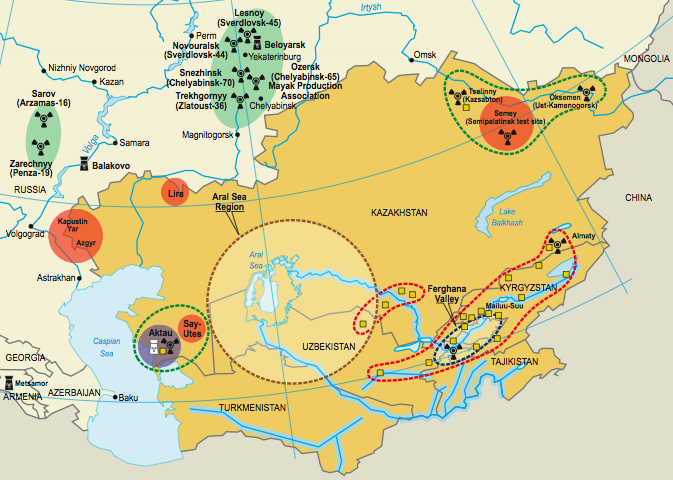
I first began thinking about crisis maps in 2003 when consulting for the OSCE on the Environmental Security Initiative (EnvSec), which made extensive use of social mapping to assess environmental security dynamics in Central Asia. I was impressed by the notable added value that the maps brought to that project (particularly at the community level) and wanted to do the same for the field of conflict prevention and early warning.

I therefore toyed around with the idea of “FAST Maps” in 2003 when setting up FAST International’s United Nations (UN) Liaison Office in New York. FAST was one of the leading pioneers of conflict monitoring and early warning analysis. At the time, however, FAST was only producing conflict barometers, or baselines, i.e., time series frequency analysis of conflict (and peace) events. I therefore followed up with a series of proposals on “FAST Maps” sharing them with Jeffrey Sachs at Columbia University’s Earth Institute amongst others.

Here is how I defined FAST Maps back in 2003:

Unfortunately, Swisspeace was unable to secure funding to see this project through, so in 2004 I joined the CEWARN team in the Horn of Africa and set up a GIS Unit in Addis Ababa to map cross-border conflicts in the region. When I left my full time consulting work to pursue my PhD at The Fletcher School, the team in Addis did not have the resources to expand let alone sustain the mapping component of CEWARN.

The main hurdles were threefold: (1) GIS tools were anything but user-friendly and particularly difficult to teach to colleagues who did not have a background in GIS; (2) the cost of the ArcView license was prohibitive; and (3) many in the field of conflict early warning, including donors, still did not get the point of crisis mapping, which meant (amongst other things) that our field monitors in the Horn were never equipped with handheld GPS units, a suggestion I had made in 2005.

In sum, crisis mapping faced a number of hurdles between 2003-2006, but we’ve come a long way since. Although the ideas were being developed as early as 2003, more intuitive and accessible mapping technology was not yet available and an understanding of the value-added of crisis mapping had not fully materialized.

Five years later, crisis mapping is all the buzz, and the technology is finally here to make it happen. The Harvard Humanitarian Initiative (HHI) has been engaged in major applied research project on crisis mapping for almost two years. And new donors like Humanity United are excited about the potential of crisis mapping. A new initiative, CrisisMappers, set up by Erik Hersman and myself seeks to facilitate the exchange of best practices and to ensure interoperability across mapping platforms.

Thanks to Google Maps and Google Earth, we’ve moved from static hardcopy maps, to dynamic, interactive and multi-layer digital maps like Ushahidi. OpenLayers and GeoDjango are two recently released tools that further facilitate our efforts.

There is still some way to go, however, at least in terms of the ideas I had back in 2003. So here are my three wishes for the immediate future of crisis mapping:

First wish: we need to think of maps not simply as dynamic tools for improving situational awareness but also as communication tools. The example I’ve used over the past two years:

A local NGO in Somalia encounters a roadblock, they take a picture or video using their camera phone and/or write a quick text message using the format: [town*message] or [lat*long*message]. They send the info to a designated number. Better yet, they have a pre-installed application on their phone (like the iPhone app for Ushahidi) that automatically geo-references and sends the text/picture/video.

Once sent, the text/picture/video gets geo-referenced in real-time on a dedicated Google Maps platform like the SensorWeb.

An icon denoting a security-related event pops up on the map. Anyone monitoring the SensorWeb clicks on the icon, a box opens with the identity (name/picture) of the person who sent the message, the actual message (SMS/video/text), and location.

Within that box are four links: Call, Reply, Broadcast and Tag. Selecting “Call” automatically calls the person back via Skype or similar VoIP tool. Selecting “Reply” or “Broadcast” prompts the user for the preferred mode of communication, i.e, by “SMS” or “Email”. This allows the user to access an address book, select contacts and, for example, to use SMS broadcasting to forward the text (or picture) right back to the field with the option of adding to the text a set of instructions for early response.

The point here is that the user never needs to navigate away from the map, which is what turns the map into a communication tool. The user is at most 3 clicks of the mouse away from facilitating real-time networked communication. Being on the Board of Advisers for Ushahidi and on the SensorWeb team, I hope this is a functionality that both projects will seriously consider and implement.

Second wish: RSS feeds need to be an integral part of mapping platforms, much like they are for Google Reader. If done well, the feeds can automate the process outlined above. For example, local communities should be able to subscribe to Ushahidi in order to receive (and also submit) information via email and/or SMS on specific events, e.g., robbery or to all events within a specific geographic area, say Kibera. This new approach can help us shift away from traditional hierarchical approaches (that characterize the majority of current conflict early warning/response initiatives) and foster a more distributed approach to conflict prevention. For only then will we be able to facilitate the crowdsourcing of information AND response.

Third wish: this has to do with data security and connectivity. In terms of security, Mobile Crisis Mapping (MCM) platforms should integrate encrypted SMS and email communication. Users should also be given the option of remaining anonymous. As for connectivity, future MCM platforms should promote peer-to-peer mobile phone technology that enables mobile phone users to communicate directly between one another without the need for cell phone towers. This technology is currently being developed out of MIT and, in my opinion, has the potential to have even more far reaching consequences in the telephony sector than Napster (file sharing) did in the music industry.

In conclusion, we’ve come a long way since 2003 but there is still plenty to do. We need more creative thinking and innovative applications. As Columbia University Professor Michael Cervieri recently noted in Kenya’s leading national newspaper regarding Ushahidi and the election violence, people in proximity to violent conflict are not going to be sitting at their computers (the very few who have access to computers) waiting to get information, “they are going to run.” This is obvious and why the future of crisis mapping belongs to Mobile Crisis Mapping.

In addition, future Mobile Crisis Mapping platforms should use spiders to craw the web (newswires and blogs) to populate the map in addition to having individuals in the field adding relevant information to the map. We need both. For the automated feeds, I’m thinking of an approach similar to Havaria and HealthMap which I’ve written about here.

I am relying on the Ushahidi team to help pave the way forward and to continue pioneering the field of Mobile Crisis Mapping over the next few months and years. At the same time, I will rely on the Harvard Humanitarian Initiative (HHI) to help develop the field of Crisis Mapping Analytics (CMA) in collaboration with Ushahidi and partners. In sum, the future of Crisis Mapping = Mobile Technology + Crisis Mapping Analytics = Mobile Crisis Mapping.

Patrick Philippe Meier

e-CORCE to render Google Earth Obsolete?

I was watching TV Afrique during my stay in Jo’burg for MobileActive ’08 and caught an interesting piece of news that could have far-reaching implications for crisis mapping: a new project called “e-Continuous Observing System Relayed by Cellular processing Environment” or e-CORCE.

The driving question behind this bold initiative led by le Centre Francais d’Etudes Spatiales (CNES) is: “can we provide a massive and automated representation of the whole Earth with 1-m resolution and on a daily basis?”

The project would make use of 13 satellites and 50 relay stations for image processing. CNES hopes to have the e-CORCE operational by 2014.

Patrick Philippe Meier

Crisis Tech at Mobile Active ‘08

It’s been an eventful three days here in Jo’burg. During Day 2 of the Mobile Active 2008 conference, participants were invited to propose topics for self-organized sessions. I think this was a fabulous idea; some 20+ self-organized sessions took place.

I therefore proposed and moderated one of these sessions, which was entitled “Mobile Communication and Crisis Mapping in Conflict.”

The purpose of this session was to bring together those of us interested in making the most effective use of ICTs in conflict zones and repressive environments. Most effective use of ICTs to what end? For conflict early warning/response, civilian protection, nonviolent action and pro-democracy resistance movements, digital activism and disaster response.

Our friends and colleagues from Ushahidi, Global Voices, Digital Democracy, InSTEDD, UNDP, UNICEF and many more actively participated in the discussion, which lasted over an hour. The main issues addressed included:

  • Connectivity
  • Physical security
  • Data security

On connectivity, the use of satellite phones and VHF radios was broached. The former are cheaper in Burma than regular mobile phones. The importance of making phone credit available during Kenya’s post-election violence was emphasized. One participant suggested that Telecoms make SMS’s free during times of crises, or at least provide subscribers with 10 free SMS’s.

We discussed the problem of congested phone networks during crises and one participant made the observation that Telecoms have little to no incentives for creating redundancy. How do we tackle this? Perhaps, as some suggested, by taking a major initiative such as creating a consortium and launching our own satellites. Others suggested working within existing constraints and identifying creative solutions in the meantime; for example, adding information on early response to “please call me” messages.

Another problem vis-à-vis connectivity is when mobile phone towers go down, or are deliberately shut down by repressive governments. I shared information on a project at MIT that seeks to render mobile phones peer-to-peer technologies, much like file sharing online. This does away with the need for mobile phone towers. As long as trusted individuals are in sufficient proximity, your message (text or voice) can be transmitted through your trusted network of contacts.

I had learned about this project from a colleague earlier that day, and I still think that this initiative is potentially the most revolutionary one I heard about throughout the Mobile Active conference. I’ll be following up with the PhD student working on this project in Boston next week.

On physical security, one participant noted the problem of civilians seeking points of high elevation in order to get phone reception; this regularly places these civilians at risk of nearby snipers. One donor in the room highlighted the constraints they face in funding projects that place individuals in danger. Another participant, who has worked in Iraq and Afghanistan pointed out that being caught with a mobile phone can result in torture and death.

The location of mobile phones can easily be tracked even if the phones are switched off, so I emphasized the importance of removing batteries in order not to be tracked. I also recounted a tactic used by activists in Pakistan back in November 2007, who would send text messages our while driving all around the city, and also using SMS2Blog software to update their blogs in the same way. This surefire way prevented the government from locating the activists. Participants also recommended security guides developed for journalists operating in conflict zones. Tactical Tech’s guides were also highlighted.

On data security, participants highlighted the problem of address books in mobile phones not being encrypted. This poses serious problems when mobile phones are confiscated, since they can then be used to track down collaborators. From a technical point of view, encrypting address books would be perfectly straightforward. One participant who has good contacts with the Android team said he would follow up and recommend an encrypted functionality for address books.

There are also tactical measures that one can take by using false names, as one participant did in Palestine before Israeli soldiers confiscated his phone. SMS encryption was another point raised during the self-organized session. While open source software like CryptoSMS exists, they tend to be difficult to use.

Patrick Philippe Meier